How a ‘dysfunctional’ English farm became a biodiversity hotspot
Gavin Haines
created: Jan. 16, 2026, 1:19 p.m. | updated: Jan. 29, 2026, 2 p.m.
“Depleted, polluted, dysfunctional” is how Isabella Tree describes the farm that she and her husband helped nature to recolonise.
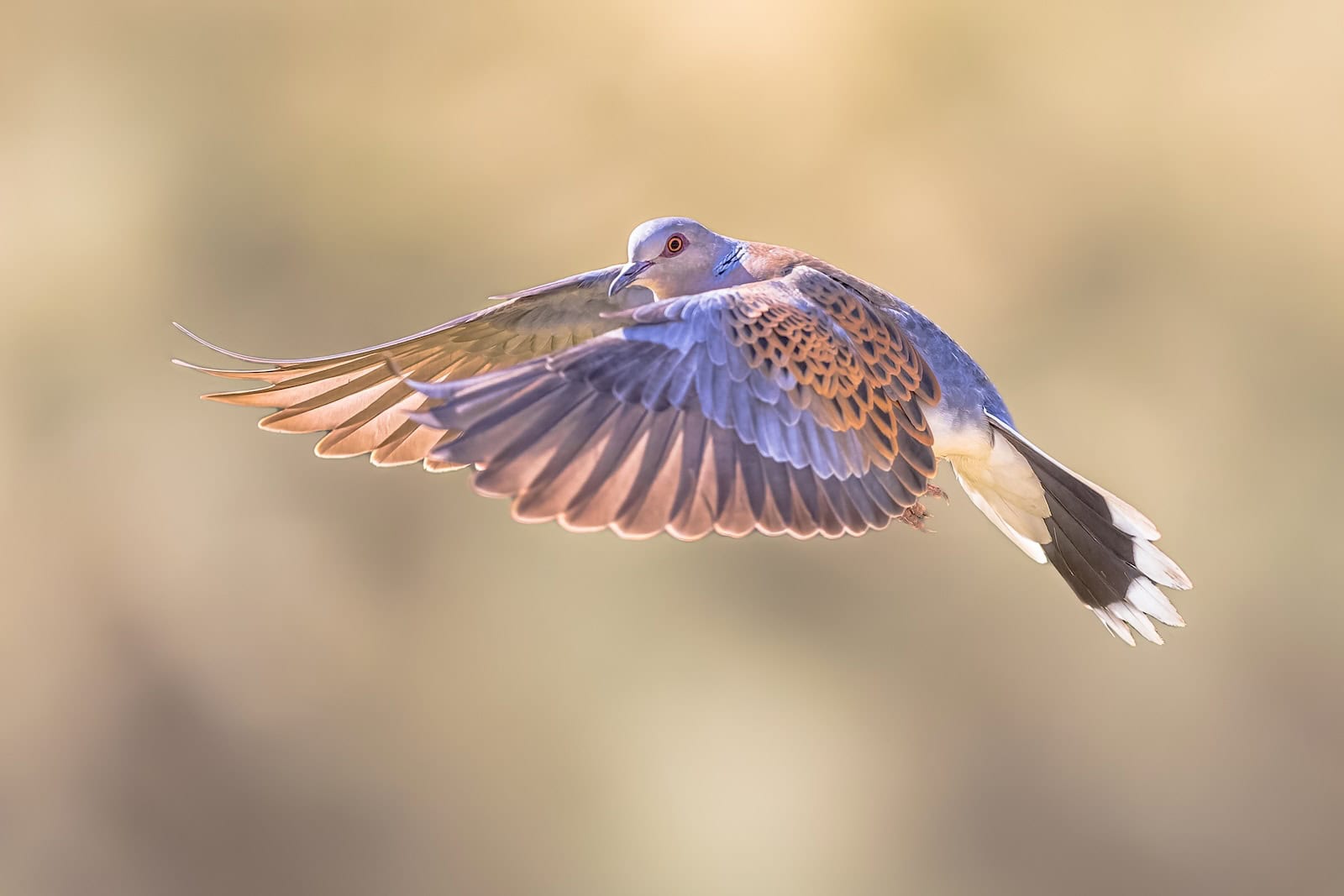
According to a two-decade ecological review of the Knepp rewilding estate in Sussex, England – published this week – the 3,500-acre site has recorded a 900% increase in breeding birds.
The transformation of Knepp from an unprofitable farm into a biodiversity hotspot was outlined in Tree’s hit book Wilding.
Fences came down and free-roaming animals were introduced, such as English longhorn cattle, which fill ecological roles left by extinct animals.
Credit: Charlie Burrell/Knepp“We have gone from a depleted, polluted, dysfunctional farmland to one of the most significant biodiversity hotspots in the UK,” said Tree.
2 weeks, 3 days ago: Positive News