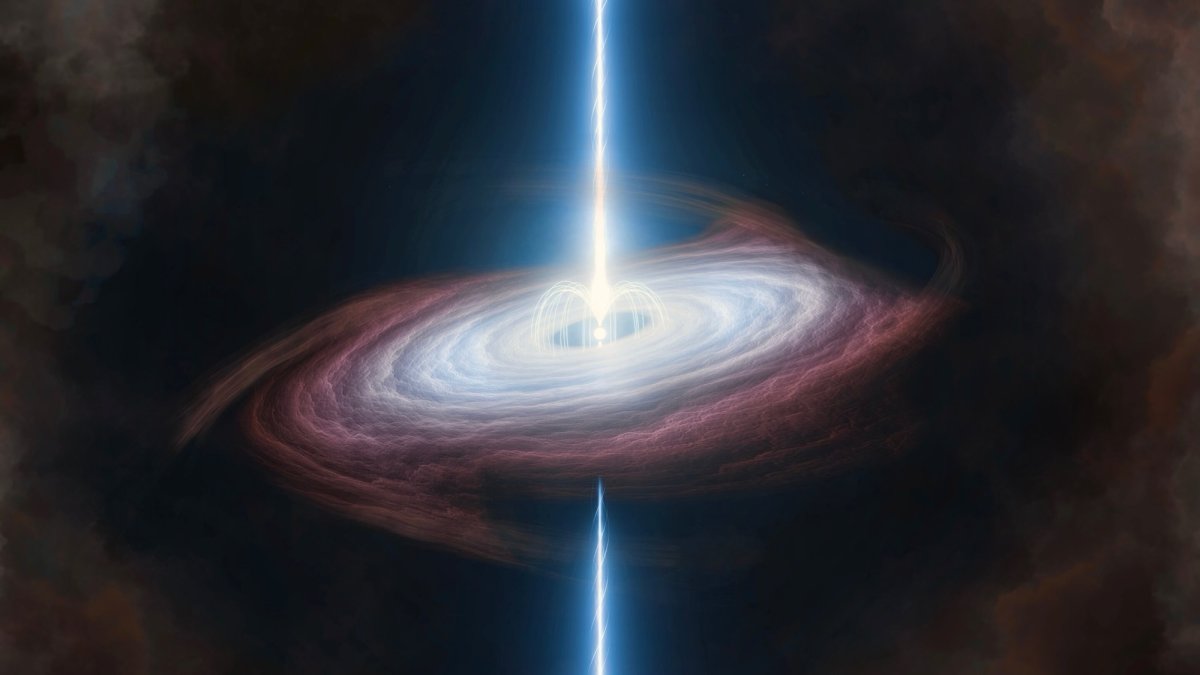
For the first time, astronomers witnessed the birth of a ‘magnetar’
Andrew Paul
created: March 11, 2026, 8:30 p.m. | updated: March 15, 2026, 5:42 a.m.
Past examples of superluminous supernovae exhibited one or two bumps, but SN 2024afav displayed four of them.
For the first time ever, astronomers witnessed the birth of a magnetar—a fast spinning, immensely magnetized neutron star.
Kasen’s team theorized that a spinning magnetar will accelerate charged particles so fast that they collide with the expanding supernova’s debris.
Taken altogether, this explains the decrease in time between SN 2024afav’s luminosity oscillations and confirms Kasen’s magnetar theory.
It is incredibly elegant.”‘The science I dreamed of as a kid’A magnetar still is not a one-size-fits-all explanation for superluminous supernovae.
3 days, 9 hours ago: Popular Science